
How long does physical therapy take to work? Learn about recovery timelines and how Manual Therapy Physical Therapy in Mountain View, CA accelerates healing.
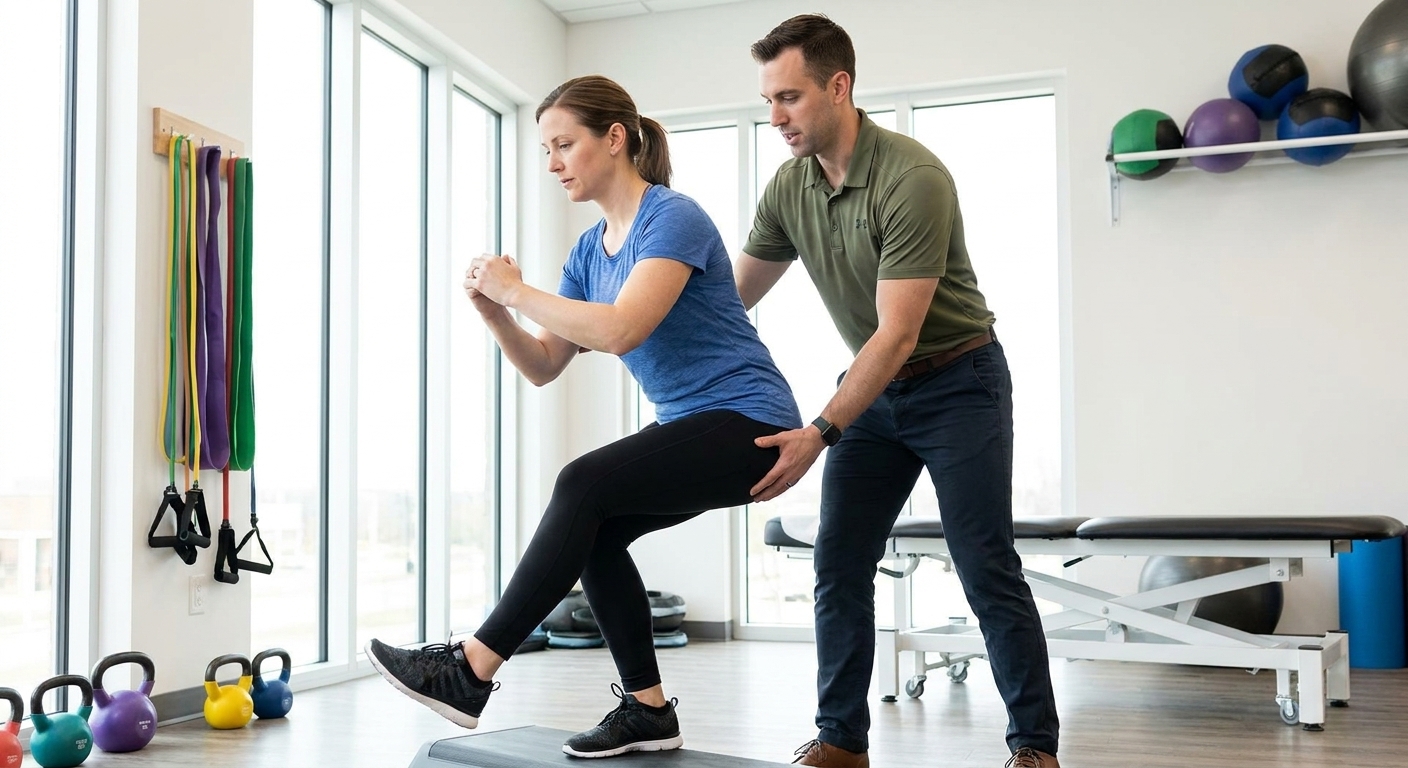
When you are sidelined by an injury, the first question on your mind is almost always: how long until you are back to normal? Whether you are a competitive cyclist dealing with IT band syndrome or a professional in Mountain View struggling with chronic neck pain, the frustration of a stalled recovery is real. You want more than temporary relief — you want to return to your activities without the fear of a setback.
Physical therapy is a process of physiological restoration, not a quick fix. However, your recovery timeline is not arbitrary. It is shaped by biological healing phases and the precision of the care you receive. Understanding the factors that influence this timeline can help you move through the process with confidence and clarity.
What Influences Your Recovery Timeline
The speed of your recovery is largely determined by the type of tissue involved. Different structures in the body heal at vastly different rates based on their blood supply and metabolic demands.
A minor muscle strain may show meaningful improvement within two to four weeks because muscles have a rich blood supply. In contrast, tendons and ligaments are relatively avascular, meaning injuries like Achilles tendinopathy or an ACL injury often require several months of structured rehabilitation to achieve full tissue maturity.
Beyond biology, the severity of the injury matters significantly. A grade I sprain requires a different approach and timeline than a grade III tear that may involve post-surgical rehabilitation. Your individual health profile — including sleep quality, nutritional habits, and movement patterns — also plays a role in how efficiently your body repairs itself. This is why a one-size-fits-all approach often falls short for active individuals.
Common Injuries and General Recovery Expectations
While every case is unique, the following general timelines offer a useful reference point:
- Ankle sprain: Two to six weeks for mild to moderate cases
- Hamstring strain: Three to eight weeks depending on severity
- Rotator cuff pain or impingement: Six to twelve weeks with consistent care
- Plantar fasciitis: Six to twelve weeks, sometimes longer for chronic cases
- ACL injury or post-surgical rehab: Six to twelve months for a full return to sport
- Low back pain: Four to eight weeks for acute episodes; longer for chronic presentations
- Runner's knee (patellofemoral pain): Four to eight weeks with targeted rehabilitation
These ranges are starting points, not guarantees. The quality and consistency of your care will have a significant impact on where you land within — or beyond — these windows.
The Role of Manual Therapy in Accelerating Recovery
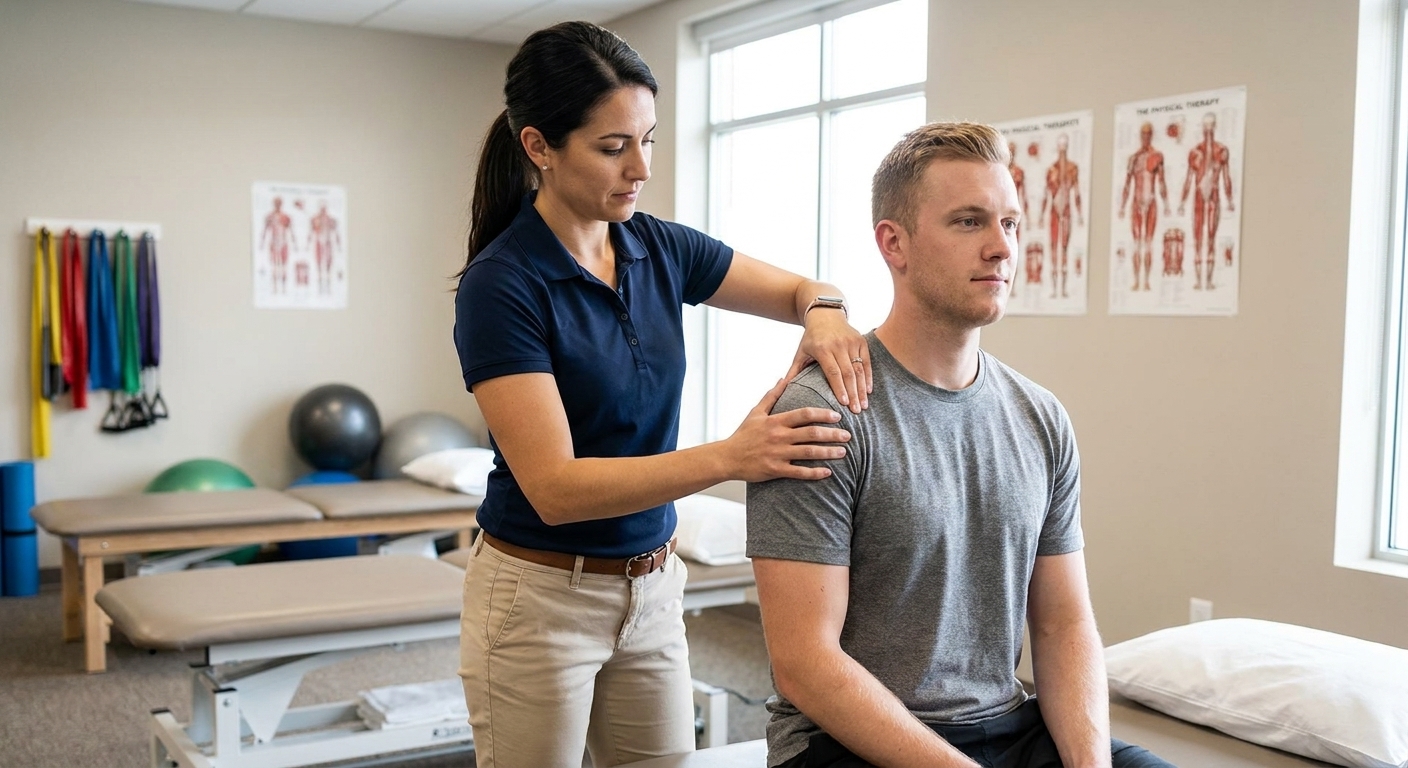
One of the most effective ways to optimize the early stages of healing is through manual therapy. Manual therapy involves skilled, hands-on techniques including joint mobilization, soft tissue work, and targeted functional techniques. These are not passive treatments; they are precise clinical interventions designed to change tissue mechanics and restore movement.
At Revolutions in Fitness, our specialists use manual therapy to interrupt the cycle of pain and inflammation that so often stalls recovery. By restoring proper joint movement and reducing muscle guarding, manual therapy improves circulation to the injured site and supports the clearance of inflammatory byproducts. This creates a more favorable environment for the subsequent phases of healing.
For many patients, incorporating manual therapy helps restore range of motion and reduce pain more efficiently than exercise alone — effectively shortening the most frustrating early phase of rehabilitation.
Early Improvements Versus Full Functional Recovery
It is common to notice meaningful progress within the first few sessions of physical therapy. These early improvements often include a reduction in sharp pain and greater ease of movement. While encouraging, it is important to distinguish between symptomatic relief and true functional restoration.
Feeling better does not always mean the tissue is fully healed or that the underlying movement dysfunction has been resolved. The later stages of physical therapy focus on building capacity and resilience — progressing from manual therapy to active strengthening, neuromuscular retraining, and sport- or activity-specific preparation.
Stopping treatment as soon as pain subsides often leaves underlying weaknesses unaddressed, which is one of the most common reasons for re-injury. Completing the full course of rehabilitation ensures that when you return to your sport, your run, or your daily routine, you have the stability and strength to stay there.
Supporting Long-Term Outcomes
At Revolutions in Fitness, the goal extends beyond pain relief. Depending on your needs and goals, care may be oriented toward outcomes such as:
- Return to sport following an ACL injury, labral tear, or other significant injury
- Return to running after addressing conditions like IT band syndrome, shin splints, or Achilles tendinopathy
- Injury prevention through identifying and correcting movement inefficiencies before they become problems
- Strength building and mobility improvement to support long-term physical performance
- Postpartum recovery or prenatal support for those navigating pelvic health concerns
One-on-One Care That Moves You Forward
A common reason people feel physical therapy is taking too long is the high-volume, generalized care model that is prevalent in many clinical settings. At Revolutions in Fitness, the approach is built around individualized, one-on-one sessions with a licensed physical therapist — not an aide, not a shared appointment.
Our manual therapy approach begins with a thorough biomechanical assessment. Rather than treating only the site of pain, we identify contributing factors throughout the kinetic chain that may be driving the problem. This level of specificity allows us to move through recovery phases more efficiently and focus on the interventions that will have the greatest impact on your function and performance.
Whether you are managing shoulder impingement, recovering from a meniscus injury, addressing pelvic pain, or working through chronic low back pain, care at Revolutions in Fitness is tailored to your body, your goals, and your timeline.
Take the Next Step Toward Recovery
Recovery requires time — that is a biological reality. But the efficiency of that recovery is something you can influence through the quality of care you choose. A manual therapy-focused, individualized approach ensures that every session is purposeful and that you are progressing toward a durable, lasting result.
If you are ready to move past pain and return to the activities that matter most to you, contact Revolutions in Fitness to schedule your comprehensive evaluation. Our team in Mountain View, CA is here to help you recover smarter and perform better.