
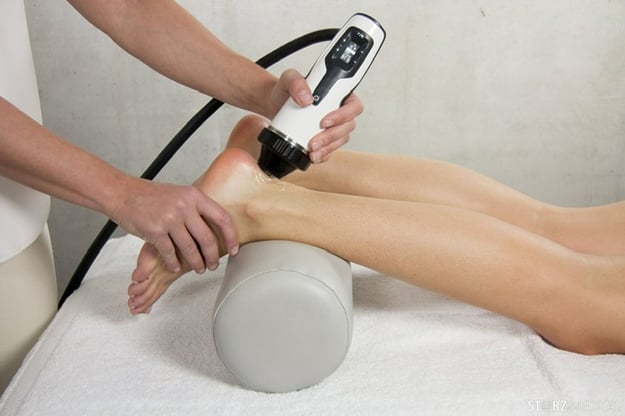
Discover how shockwave therapy has been a game-changer for individuals dealing with chronic pain and tendinopathy.
Sleep: The Third Pillar of Health
Health is often described as having three pillars: nutrition, exercise, and sleep. While diet and fitness tend to get the spotlight, sleep is equally critical—and too often overlooked. Research continues to confirm that sleep is not just a time of rest, but an active biological process essential for physical, mental, and emotional well-being.
Why Sleep Is Essential
During sleep, the body engages in vital repair and maintenance:
-
Cellular and tissue repair: Growth hormone, which supports muscle repair and immune function, is primarily secreted during deep sleep.
-
Brain function: Sleep strengthens neural connections, consolidates learning, and clears waste products such as beta-amyloid (linked to Alzheimer’s disease).
-
Hormonal regulation: Sleep influences appetite-regulating hormones, including leptin and ghrelin. Short sleep is strongly associated with increased hunger and weight gain.
-
Immune health: A lack of adequate sleep impairs immune response, leaving the body more susceptible to illness.
According to the Centers for Disease Control and Prevention (CDC), adults who regularly sleep fewer than seven hours per night face a higher risk of chronic conditions such as obesity, type 2 diabetes, cardiovascular disease, and depression.
How Much Sleep Do We Need?
The National Sleep Foundation recommends:
-
Adults (18–64 years): 7–9 hours per night
-
Older adults (65+): 7–8 hours
-
Teenagers: 8–10 hours
But duration isn’t the only factor—sleep quality matters. Fragmented or inconsistent sleep can disrupt the body’s circadian rhythm, which regulates hormone release, body temperature, and metabolism.
Evidence-Based Strategies for Better Sleep
Improving “sleep hygiene” can significantly enhance both duration and quality of rest. Research-backed habits include:
-
Consistency is key: Studies show that regular bed and wake times reinforce the circadian rhythm and improve sleep efficiency.
-
Reduce evening light exposure: Blue light suppresses melatonin production. Research published in Proceedings of the National Academy of Sciences found that evening screen use delays sleep onset and reduces next-day alertness.
-
Create a sleep-conducive environment: A cool (60–67°F), dark, and quiet room supports deeper sleep stages. White noise and blackout curtains can help minimize disruptions.
-
Limit stimulants: Caffeine has a half-life of about 5–6 hours, meaning that an afternoon coffee may still affect sleep. Alcohol, while sedating, disrupts REM sleep and reduces overall sleep quality.
-
Daytime light exposure and activity: Bright light exposure early in the day strengthens circadian alignment. Physical activity also improves sleep, with research linking moderate exercise to reduced insomnia and better overall sleep quality.
Sleep as a Foundation for Health
Together with nutrition and exercise, sleep forms the foundation of long-term health. Without it, the other two pillars lose stability—nutritional choices worsen, exercise recovery slows, and mental performance declines. By making sleep a priority, you give your body the chance to heal, regulate, and thrive.