
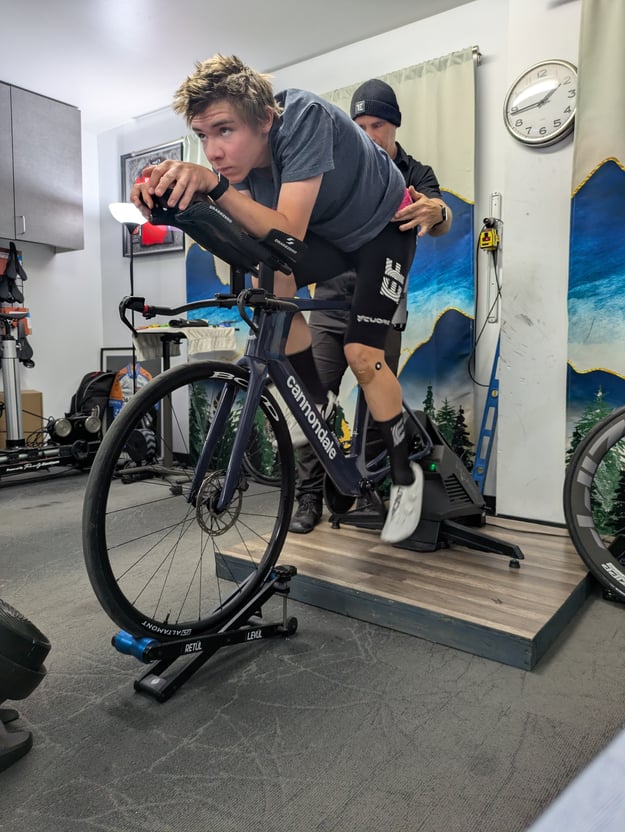
Most cyclists focus on training plans and gear upgrades, but overlook the biomechanical issues and injury risks that could sideline their riding for months.
The Conversation Cyclists Avoid—but Shouldn’t
Dr. Hedwig Neels is bringing attention to one of the most overlooked issues in cycling: genitoperineal health. From soreness and numbness to swelling and skin damage, these challenges affect riders at every level—yet rarely get talked about.
Her message is simple: these issues are common, preventable, and treatable. With the right approach to bike fit, clothing, skincare, and evidence-based treatments, cyclists can dramatically improve comfort—and performance.
You’re Not Alone (And It’s Not “Part of the Sport”)
If you’ve ever finished a ride feeling numb or dealt with persistent saddle sores, you’ve likely been told to just “push through it.” That advice is outdated.
At a recent International Bike Fitting Institute conference in England, Dr. Neels shared eye-opening insights:
- Around 50% of professional female cyclists experience significant discomfort and tissue changes
- Many male cyclists deal with chronic perineal cysts (often jokingly called the “third testicle”)
- These issues stem from repeated pressure, friction, and heat, leading to inflammation and scar tissue over time
Bottom line: pain is not a badge of honor—it’s a signal.
The Three Layers of Comfort
Most riders think about contact with the saddle in simple terms—but there are actually three critical layers:
- Skin – your first line of defense against friction and irritation
- Bony Structures (Sit Bones) – where support and pressure distribution matter most
- Pelvic Floor Muscles – the hidden key to comfort and performance
That third layer is often ignored—but it’s where things get interesting.
Your pelvic floor acts like a supportive “hammock”, playing a role in stability, breathing, and power output. When irritation or pain sets in, these muscles often become overactive and tense, not weak—leading to more numbness, reduced efficiency, and a frustrating cycle of discomfort.
Pro Tips You Can Use Today
You don’t need a pro contract to start riding more comfortably. Here are a few actionable takeaways:
The “Trim” Rule
Skip shaving or waxing right before a ride—it compromises your skin barrier. Instead, trim to 2–5 mm to reduce friction without increasing irritation.
Rethink Chamois Cream
Heavy creams can trap bacteria and moisture. Look for lighter options with natural antibacterial ingredients like zinc or copper to keep skin protected and dry.
The Post-Ride Reset
Use a cool pack (not ice-cold) for a few minutes after riding. This helps reduce swelling and prevents long-term tissue changes.
Why “Good Enough” Isn’t Good Enough
You can invest in the best bike on the market—but if your body is fighting your position, you’re losing power and risking long-term damage.
Numbness and tingling are your body’s version of a check engine light. Ignoring them doesn’t make you tougher—it just delays the fix.
A Smarter Approach to Cycling Comfort
At Revolutions In Fitness, the approach goes beyond traditional bike fitting. By combining precision fit with pelvic floor physical therapy, riders get a fully integrated solution:
- Proper saddle width to protect critical nerve pathways like the Canal of Alcock
- A deeper understanding of how the pelvic floor connects to the glutes, hips, and breathing mechanics
- Targeted internal and external therapies to release tension and restore function
Ride Stronger. Ride Longer. Ride Pain-Free.
Cycling should challenge your legs and lungs—not leave you dealing with chronic discomfort. Addressing these often-ignored issues isn’t just about comfort—it’s about unlocking your full potential on the bike.
If something doesn’t feel right, don’t ignore it. There’s a better way to ride.