
Wondering how long physical therapy takes to heal common injuries? Revolutions in Fitness in San Jose shares realistic manual therapy recovery timelines.
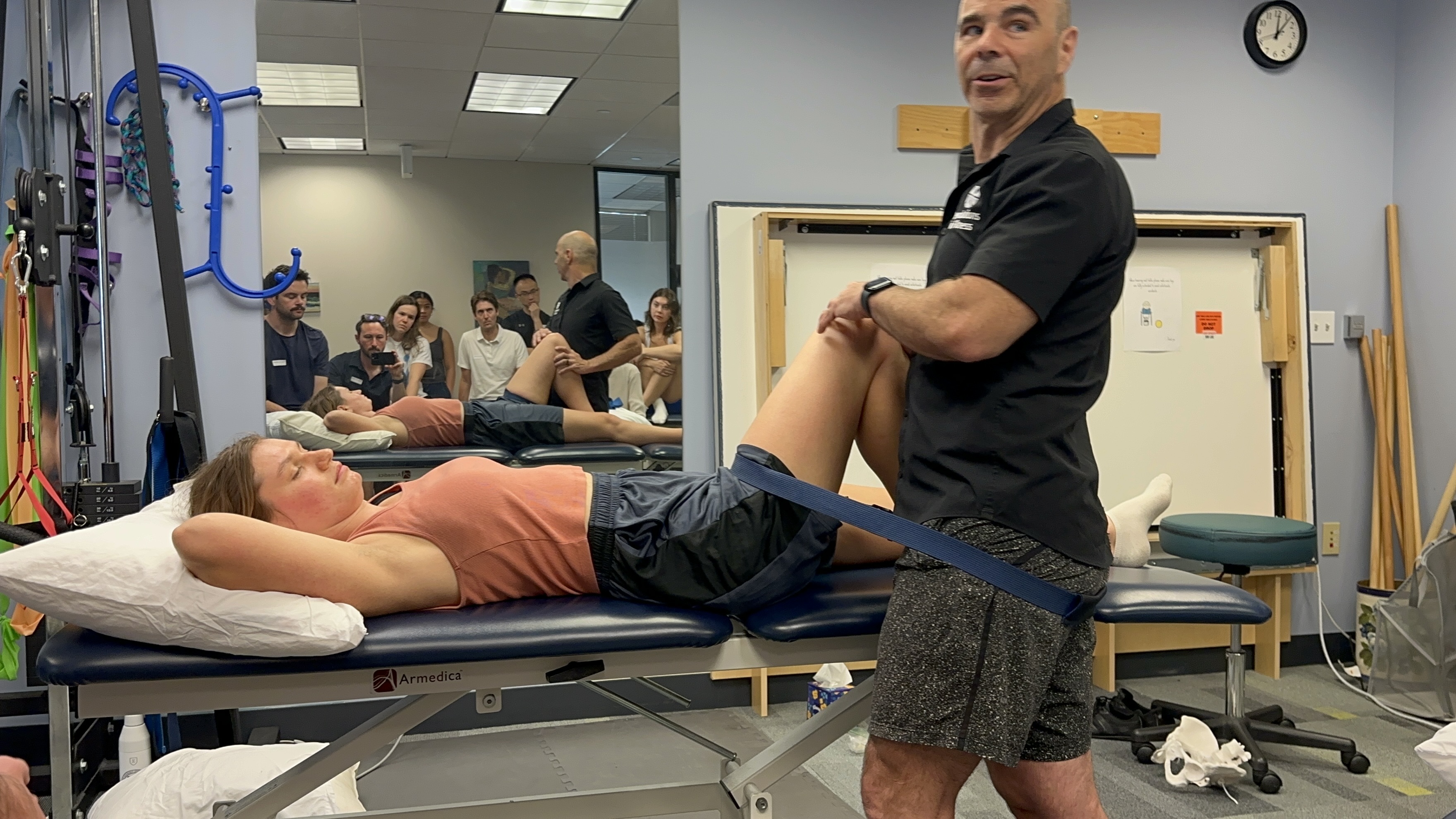
If you are dealing with a nagging ache, a recent sprain, or an injury that keeps coming back no matter what you try, you have probably asked yourself one question above all others: how long is this going to take? Whether you are a weekend warrior, a competitive athlete, or simply someone trying to get back to daily activities without pain, understanding realistic recovery timelines helps you set expectations and stay motivated throughout your care.
At Revolutions in Fitness, we specialize in manual therapy in San Jose, CA, and we know that every body and every injury is different. While there is no single answer that fits everyone, there are general patterns based on tissue type, injury severity, and how consistently you engage with your treatment plan.
Understanding the Factors That Influence Your Recovery Timeline
Before diving into specific injuries, it helps to understand what actually determines how quickly you heal.
Injury Severity and Type
An acute, sudden injury like an ankle sprain often behaves differently than a chronic issue that has built up over months or years. The specific tissue involved, whether muscle, tendon, ligament, or nerve, also influences how much time your body needs to repair itself.
Chronicity of the Injury
Newer injuries generally respond faster to treatment. Long-standing pain often involves compensatory movement patterns that took time to develop, and it takes time to correct them as well.
Tissue Healing Rates
Muscle tissue tends to heal faster than tendons or ligaments because of differences in blood supply and cellular turnover. This is one reason tendon-related injuries like tennis elbow or Achilles tendinopathy often require a longer course of care.
Patient Adherence and Lifestyle
How closely you follow your home exercise program, activity modifications, and lifestyle recommendations plays a major role in your recovery speed. Sleep, nutrition, and stress management all influence your body's ability to heal.
Responsiveness to Manual Therapy
Every body responds differently to hands-on treatment. Our clinicians are certified in Functional Manual Therapy (CFMT) through the Institute of Physical Art, allowing us to assess how your entire system is contributing to your pain, not just the painful area itself.
.webp?width=615&height=412&name=Action%201%20(1).webp)
Realistic Recovery Timelines for Common Injuries
These are general guidelines based on typical presentations. Your individual timeline may be shorter or longer depending on the factors above.
Low Back Pain
Acute low back pain often improves significantly within four to eight weeks. Chronic cases may take eight to twelve weeks or more to address underlying mechanical contributors and reduce the likelihood of recurrence.
Rotator Cuff and Shoulder Pain
Mild rotator cuff irritation or shoulder tendinopathy typically improves within six to ten weeks. More significant injuries, including those requiring post-surgical rehabilitation, often need three to six months or longer to restore full strength and stability.
Knee Pain and Runner's Knee
Acute patellofemoral pain often responds within four to eight weeks. When biomechanical issues are involved, such as hip weakness or movement compensation patterns, recovery may extend to eight to twelve weeks or beyond.
Ankle Sprains
Mild to moderate sprains generally allow a return to activity within three to six weeks. Severe or recurrent sprains may require eight to twelve weeks to fully restore proprioception and joint stability.
Tennis Elbow
Tennis elbow is frequently chronic by the time patients seek care, often requiring six to twelve weeks or more of treatment. Because the elbow does not work in isolation, addressing grip strength, shoulder mechanics, and even neck involvement is often necessary for lasting relief.
Plantar Fasciitis
Plantar fasciitis can be stubborn due to the constant loading placed on the foot with daily activity. Recovery often takes eight to twelve weeks or longer, with attention to foot mechanics, calf flexibility, and hip strength to reduce strain on the fascia.
The Revolutions in Fitness Difference
Recovery timelines improve when treatment addresses the whole picture, not just the site of pain. At Revolutions in Fitness, our approach includes:
- Full 60-minute, one-on-one sessions with a licensed Doctor of Physical Therapy at every visit
- Clinicians certified in Functional Manual Therapy (CFMT) through the Institute of Physical Art
- A whole-body, systems-based approach that identifies and treats root causes rather than isolated symptoms
- Weekend availability, Saturday and Sunday from 8 AM to 6 PM, to fit your schedule
You can learn more about our full range of services and our approach to care on the Revolutions in Fitness website.
Take the First Step Toward Lasting Relief
Healing timelines vary, but consistent, expert manual therapy focused on the root cause of your pain gives you the best chance at a full and lasting recovery. If you are ready to stop guessing about your recovery and start working with a team that treats you as an individual, Revolutions in Fitness is here to help.
Schedule your one-on-one evaluation with our San Jose team today and take the first confident step toward getting back to the activities you love.