
The Science Behind Efficiency Gains
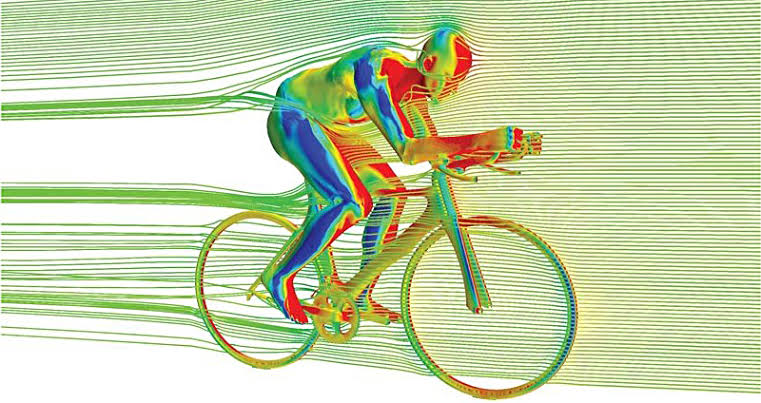
At cycling speeds, aerodynamic drag represents one of the most significant forces working against forward motion. Research demonstrates that approximately 70-90% of a cyclist's energy expenditure at racing speeds goes toward overcoming air resistance. This creates a unique opportunity: rather than developing greater physiological capacity through additional training volume, athletes can achieve faster speeds by reducing the drag they encounter.
The relationship between power output, aerodynamic drag, and speed follows well-established physics principles. A reduction in aerodynamic drag of just 10% can translate to speed increases of 3-5% at the same power output—or the ability to maintain current speeds while conserving 10% of energy for later use in a race or long ride. These gains come without increasing training load or risking overtraining.
Position optimization offers similar efficiency improvements in power transfer and biomechanical function. When joint alignment, muscle length-tension relationships, and contact points on the bike are optimized, the same muscular effort produces greater force at the pedals. Poor positioning can create compensatory movement patterns that waste energy and limit sustainable power output.
The concept of sustainable efficiency is central to understanding real-world performance gains. A position that reduces drag by 15% but decreases sustainable power by 10% may not produce faster overall times. The goal is to identify the intersection of aerodynamic efficiency, biomechanical effectiveness, and physiological sustainability—the position that allows an athlete to produce the most speed over the required duration.
Bike Fit Adjustments That Deliver Instant Speed
Small changes in bike setup can produce immediate measurable improvements in both aerodynamics and power transfer. Saddle height adjustments of just 5-10 millimeters can significantly affect hip extension, knee flexion angles, and the recruitment patterns of the quadriceps and gluteal muscles. When saddle height is optimized, athletes often report feeling more connected to the pedals and able to sustain higher power outputs with less perceived effort.
Fore-aft saddle position influences the relationship between the hip, knee, and ankle throughout the pedal stroke. Moving the saddle forward or backward by even one centimeter changes which muscle groups bear the primary load and affects the athlete's ability to access hip extension. This adjustment also impacts weight distribution between the hands and saddle, influencing upper body tension and breathing mechanics.
Handlebar position—including reach, drop, and width—affects both aerodynamics and the ability to maintain a sustainable position. Bringing the handlebars slightly closer or adjusting stack height can reduce shoulder and neck tension while allowing the torso to maintain a more aerodynamic angle. Narrower handlebars often improve aerodynamics by reducing frontal area, but only if shoulder width and breathing mechanics allow for comfortable sustained use.
Cleat position and float settings influence foot, ankle, and knee alignment throughout the pedal stroke. Proper cleat positioning ensures that force application occurs through optimal joint angles, reducing stress on the knee and improving power transfer efficiency. Many athletes experience immediate comfort improvements and power gains when cleats are positioned to match their natural foot alignment and movement patterns.
Aerobar setup for triathletes and time trialists requires careful attention to pad width, pad height, extension length, and grip position. The goal is to find a position that minimizes frontal area and drag while maintaining hip mobility, respiratory function, and the ability to produce power. Wind tunnel or velodrome testing can quantify the aerodynamic impact of different positions and equipment choices, providing objective data to guide decision-making.
Biomechanical Corrections for Power Transfer
Efficient power transfer begins with proper joint alignment and movement sequencing through the pedal stroke. The hip, knee, and ankle must work in coordinated patterns to direct force effectively through the crank arm. When alignment is compromised—through poor bike fit, muscle imbalances, or movement compensations—energy leaks occur at each joint, reducing the power that reaches the pedals.
Hip extension represents one of the most important components of powerful cycling. Many athletes demonstrate limited hip extension due to tight hip flexors, weak gluteal muscles, or positioning that restricts hip movement. When the hip cannot fully extend at the bottom of the pedal stroke, the gluteal muscles cannot contribute optimally, forcing the quadriceps to compensate and often leading to early fatigue.
Knee tracking throughout the pedal stroke should occur in a relatively straight plane, with minimal lateral deviation. Excessive inward or outward knee movement during pedaling indicates either structural alignment issues, muscle imbalances, or improper cleat positioning. These deviations not only reduce power transfer efficiency but also increase stress on knee structures, potentially leading to overuse injuries.
Core stability and pelvic control allow the lower body to generate force against a stable platform. When core muscles cannot maintain pelvic position during hard efforts, the pelvis rocks excessively, creating movement that wastes energy and reduces the effectiveness of each pedal stroke. Athletes with poor core stability often report that their bike feels unstable during hard accelerations or when climbing.
Ankle position and foot stability within the shoe affect how force transfers from the leg to the pedal. Some athletes benefit from custom footbeds or insoles that provide arch support and improve foot alignment. Excessive pronation or supination at the ankle can create alignment issues that travel up the kinetic chain, affecting knee and hip function. Addressing foot mechanics often produces improvements in comfort and power production throughout the entire lower extremity.
Recovery Optimization to Maximize Training Adaptations
Training stimulus only produces performance improvements when combined with adequate recovery. Many athletes focus exclusively on training volume and intensity while overlooking recovery strategies that would allow them to absorb training stress more effectively. Optimizing recovery enables athletes to maintain higher quality training sessions and reduces the risk of overtraining or injury.
Sleep quality and duration represent the most important recovery intervention available to athletes. During sleep, the body releases growth hormone, repairs damaged tissues, consolidates motor learning, and restores energy systems. Research consistently demonstrates that athletes who obtain 7-9 hours of quality sleep per night show better training adaptations, faster recovery, and reduced injury rates compared to those who are chronically sleep-deprived.
Nutrition timing and composition significantly influence recovery rates. Consuming adequate protein and carbohydrates within 30-90 minutes after training sessions provides the raw materials necessary for muscle repair and glycogen replenishment. Chronic under-fueling—whether intentional or inadvertent—impairs recovery, suppresses immune function, and can lead to overtraining syndrome despite modest training volumes.
Active recovery strategies, including low-intensity movement, stretching, and foam rolling, can enhance blood flow to working muscles and reduce muscle soreness. Light cycling, walking, or swimming on recovery days promotes circulation without adding significant training stress. Self-massage techniques and mobility work address tissue quality and joint range of motion, helping maintain movement quality as training loads increase.
Stress management extends beyond physical training to include psychological and emotional stressors. The body responds to all forms of stress through similar physiological pathways. High work stress, inadequate sleep, relationship difficulties, or financial concerns all draw from the same recovery resources needed to adapt to training. Athletes experiencing high life stress may need to reduce training volume or intensity to avoid exceeding their total stress capacity.
Periodization of training—systematically varying volume and intensity over time—provides structured recovery opportunities within the training plan. Hard training blocks should be followed by easier recovery weeks that allow the body to absorb previous training stress and adapt. Athletes who push hard continuously without programmed recovery often plateau or decline in performance despite increasing training volume.
Addressing Hidden Mobility Limitations That Slow You Down
Many athletes possess adequate strength and cardiovascular fitness but lack the mobility required to achieve optimal positioning on the bike. Restricted range of motion in key joints—particularly the hips, thoracic spine, and shoulders—prevents athletes from adopting more aerodynamic or powerful positions even when bike fit is optimized. Addressing these mobility limitations can unlock positional improvements that translate directly to speed.
Hip flexor tightness commonly limits the ability to achieve proper hip extension during the pedal stroke and restricts the ability to rotate the pelvis forward into an aerodynamic position. Athletes with tight hip flexors often compensate by posteriorly tilting the pelvis, which rounds the lower back and limits gluteal muscle activation. Targeted stretching and soft tissue work addressing the iliopsoas, rectus femoris, and tensor fasciae latae can improve hip mobility significantly.
Thoracic spine mobility affects the ability to maintain an aerodynamic torso angle while still breathing effectively. A stiff thoracic spine forces athletes to compensate by either lifting the head excessively or rounding the entire spine, both of which increase aerodynamic drag. Thoracic extension and rotation exercises can restore mobility in this region, allowing a flatter back position with better head and neck alignment.
Shoulder flexibility and control influence handlebar position, arm angle, and overall frontal area. Tight shoulders prevent athletes from comfortably maintaining narrow elbow positions or from sustaining aerobar positions for extended periods. Shoulder mobility work—including stretching the pectoralis muscles, improving scapular control, and addressing rotator cuff function—often allows athletes to adopt more aggressive positions without discomfort.
Hamstring and calf flexibility affect saddle height optimization and pedaling mechanics. Athletes with tight hamstrings may need to lower the saddle below optimal height to avoid excessive posterior pelvic tilt, sacrificing power production for comfort. Similarly, tight calf muscles can limit ankle dorsiflexion, affecting the ability to drop the heel through the bottom of the pedal stroke and engage posterior chain muscles effectively.
Movement assessment by a physical therapist with cycling expertise can identify specific mobility limitations and their impact on bike position and performance. A comprehensive evaluation examines range of motion, movement quality, strength patterns, and how these factors interact with current bike positioning. This assessment provides a roadmap for targeted interventions—including manual therapy, specific stretching protocols, and strengthening exercises—that progressively expand the range of positions an athlete can comfortably sustain.
Developing mobility takes time and consistent effort, but the investment produces lasting results. Rather than accepting current limitations, athletes can systematically address restrictions through a structured program. As mobility improves, bike position can be progressively refined to take advantage of newfound range of motion, creating ongoing opportunities for performance gains without increasing training volume or intensity.